


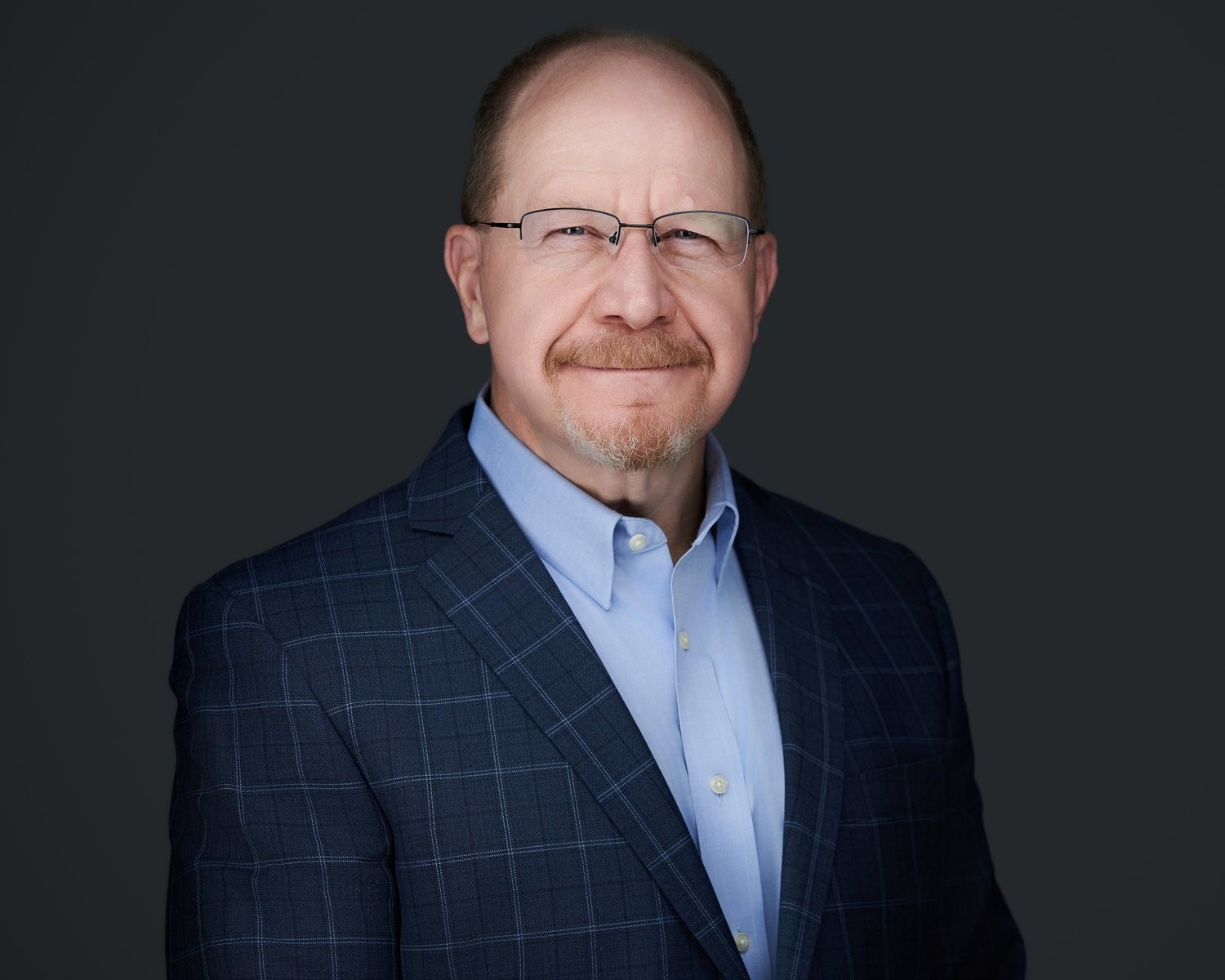
 John E. Chapman Chief Executive Officer
For years, the value proposition in wealth management revolved around access to information. Advisors differentiated themselves through investment knowledge, financial planning expertise, and the ability to navigate increasingly sophisticated markets. That model is changing.
Today, clients have unprecedented access to information, planning tools, and market analysis. Artificial intelligence is accelerating that shift, making technical knowledge more accessible and scalable than ever before. In that environment, the future of advice is becoming less about delivering information and more about helping clients navigate complexity.
I believe the most valuable advisors going forward will not simply manage assets. They will function as strategic coordinators across a client’s financial and personal life.
At Clearwater, we often describe our role as a personal CFO for clients. Investment management remains foundational, but increasingly, our responsibility is integrating all the moving parts surrounding a client’s goals. That means aligning tax planning, estate structures, charitable strategies, business interests, insurance considerations, and family dynamics into one cohesive framework.
Too often, affluent clients have multiple professionals operating independently. They may have an accountant, an estate attorney, business advisors, insurance specialists, and investment managers, all providing quality advice within their respective areas. The challenge is that those professionals are frequently working in silos.
Without someone coordinating the broader strategy, clients can end up making decisions that support one objective while unintentionally undermining another.
For example, a client may continue acquiring illiquid business interests because those opportunities make sense from a tax or operational perspective. But if the client’s long-term objective is liquidity, simplicity, or equal distribution of assets among heirs, those same acquisitions may create significant complications later.
That is where advisory value increasingly lies. It is not simply evaluating whether an opportunity is good or bad in isolation. It is helping clients understand how every major financial decision interacts with the larger picture of what they are ultimately trying to accomplish.
The rise of the relationship-centered advisor
The industry often talks about “holistic planning,” but I believe the definition is evolving.
Historically, holistic planning meant expanding beyond investments into areas like retirement projections, insurance analysis, and estate planning. Today, those capabilities are becoming table stakes. Most firms can produce sophisticated financial plans, and technology continues to narrow the gap in technical execution.
The next evolution of holistic advice is far more human. It involves understanding what clients truly value, how family relationships influence decisions, and what trade-offs clients are willing, or unwilling, to make. Often, clients initially articulate goals at a surface level. Through deeper conversations, those objectives become more nuanced.
A client may say they want to transfer wealth efficiently to children. But what they may really care about is preserving family harmony, encouraging independence, or maintaining a philanthropic legacy. Those priorities can lead to very different planning outcomes.
The advisor’s role is increasingly to guide clients through those deeper conversations while helping them understand the consequences attached to every decision.
That interpersonal dimension cannot be automated. AI will continue improving portfolio construction, data analysis, and even planning outputs. What it cannot replace is judgment, context, and the ability to interpret what clients are not explicitly saying. The technical side of wealth management will remain important, but technical expertise alone is becoming less differentiating.
The firms that stand out will be those capable of combining technical sophistication with emotional intelligence and strategic coordination.
Expanding beyond traditional planning
That broader role is also changing the types of risks advisors must address.
Traditional planning conversations still matter. Life insurance, disability coverage, and long-term care planning remain essential components of protecting client outcomes. But increasingly, clients face risks that extend beyond conventional financial categories.
Cybersecurity is one example. For ultra-high-net-worth families and corporate executives especially, personal cybersecurity vulnerabilities can create serious financial and reputational consequences. Many high-profile individuals are targets precisely because they possess sensitive personal or corporate information.
In some cases, risks extend beyond identity theft into physical security concerns, reputational exposure, or attempts to compromise confidential company data. Advisors are not expected to become cybersecurity experts. But we do have a responsibility to identify potential vulnerabilities that could derail a client’s broader objectives.
That means building networks of trusted specialists who can integrate into the advisory process when needed. The same principle applies across legal, insurance, tax, and business advisory work. The strongest advisory relationships increasingly resemble a family office model, where the advisor acts as the central hub coordinating multiple disciplines on behalf of the client.
Collaboration becomes critical in that environment. At Clearwater, we regularly work alongside outside attorneys, accountants, insurance specialists, and other consultants. While we can collaborate with a client’s existing professionals, we have also spent years developing relationships with specialists whose capabilities we understand and trust.
The objective is not to replace those experts. It is ensuring everyone involved is aligned around the client’s priorities. That often requires the advisor to serve as both strategist and translator, helping specialists understand the client’s long-term objectives while helping clients navigate highly technical recommendations in practical terms.
Advice in a more complex world
As wealth management continues to evolve, I believe the industry is moving away from transactional expertise and toward integrated guidance.
Clients are not simply looking for investment performance or access to information anymore. They are looking for clarity in an increasingly complicated world. That requires advisors who can synthesize competing priorities, coordinate expertise across disciplines, and guide clients through decisions that are often deeply personal.
The technical side of advice will always matter. But technical capability alone is no longer enough. The future belongs to advisors who can connect the technical with interpersonal skills and with the human realities that will drive financial decisions. In many ways, that is what true wealth management has always been about. The difference now is that the human side of the relationship is becoming the primary differentiator.
Originally published in InvestmentNews. Read the original article here.
20261030-2