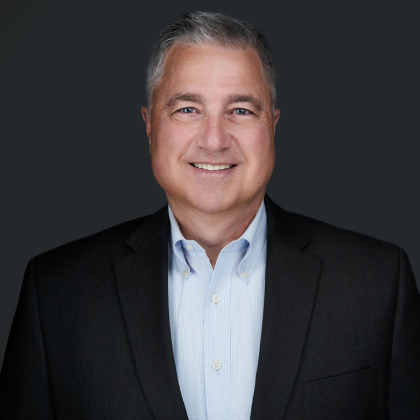



 John E. Chapman Chief Executive Officer
SECURE 2.0 is stress‑testing how well retirement plans are governed. For plan sponsors, the real question is whether your organization can consistently execute, oversee, and document a prudent process around more complex rules.
At Clearwater Capital Partners, we see SECURE 2.0 as an opportunity to upgrade your fiduciary operating system, not just meet another set of requirements.
The Clearwater fiduciary operating system
We encourage plan sponsors to view SECURE 2.0 through four disciplines:
- Design – How your plan is structured on paper.
- Execute – How HR, payroll, and providers carry out those terms.
- Monitor – How the committee oversees investments, fees, and operations.
- Evidence – How you document decisions and activity to demonstrate prudence.
Every SECURE 2.0 change that touches your plan should be mapped through this cycle.
Design: Intentional choices, not defaults
Key design decisions for sponsors:
- Automatic features: Whether to use auto‑enrollment and auto‑escalation, at what levels, and into which default investment.
- Roth and catch‑ups: How to handle high‑earner Roth catch‑ups and how you will communicate changes.
- Eligibility: How you will bring long‑term, part‑time workers into the plan and align definitions with what payroll actually uses.
The aim is a plan design that supports participant outcomes and can be executed reliably.
Execute: Where errors usually occur.
Most fiduciary problems come from execution, not from what was decided in the committee room.
Focus areas:
- HR and payroll alignment so eligibility, compensation, and deferrals can flow cleanly to your recordkeeper.
- Timely, accurate contributions and loan repayments, with simple checks to catch errors early.
- Clear workflows for SECURE 2.0 events like auto‑enrollment, auto‑escalation, Roth catch‑ups, and long‑term part‑time eligibility.
Ownership should be unmistakable; “we thought our vendor was doing that” is a risk signal.
Monitor: A practical governance rhythm.
Effective governance is a steady rhythm, not one big meeting.
We typically recommend:
- A written committee charter that defines who is involved, what authority they have, and how often they meet.
- An annual calendar that schedules investment reviews, fee and provider reviews, and at least one focused check‑in on SECURE 2.0 implementation.
- A consistent agenda that always leaves room for operational updates, not just investment performance.
The goal is to show that your committee is paying attention and acting on what it learns.
Evidence: Documentation that proves prudence
In an audit or claim, your records matter more than your memory. At a minimum, plan sponsors should be able to quickly find:
- Committee charter, member list, agendas, materials, and minutes.
- The current investment policy statement and evidence that it is being followed or updated thoughtfully.
- Fee and provider reviews, and a brief record of why decisions were made.
- Logs of errors, corrections, and key participant communications.
Think of this as your governance “data room,” not a stack of old emails.
Using providers without losing accountability
Recordkeepers, TPAs, and other vendors are critical partners, but they do not replace the plan sponsor’s fiduciary role.
Practical steps:
- Clarify who owns which tasks (eligibility, loans, contributions, notices, corrections) and reflect that in agreements and checklists.
- Periodically review service quality, error rates, technology, and cybersecurity, not just fees.
- Use your advisor to help you see across providers, surface issues, and keep the committee current on best practices.
A coordinated ecosystem can reduce risk; blurred roles can increase it.
Insurance: Backstop, not strategy
ERISA bonds, fiduciary liability coverage, and cyber policies are important, but they are the last line of defense. They work best when layered on top of strong design, execution, monitoring, and documentation.
How Clearwater Capital Partners supports plan sponsors
Clearwater Capital Partners helps plan sponsors build and maintain this fiduciary operating system by:
- Shaping governance: charters, calendars, agendas, and committee education.
- Stress‑testing plan design and operations against SECURE 2.0 requirements.
- Providing disciplined investment and fee oversight tied to your investment policy.
- Coordinating and benchmarking providers to support the plan’s objectives.
As part of our ongoing fiduciary governance work, we will continue to highlight SECURE 2.0 risks and opportunities with your committee and recommend concrete action steps as regulations and best practices evolve.
20260330 – 3