



Speak with a Partner

content-image

John W. Sleeting

Managing Partner – Family Office Services

Start a Conversation

content-image

Kevin G. Carani, CRPS®

Director, Retirement Plan Services

Speak with a Partner

content-image

Jeffrey P. DeHaan, CFP®

Managing Partner – Private Wealth Management

Speak with our Founder

content-image

John E. Chapman

Chief Executive Officer

October 401(k) Compliance & Year-End Readiness

Kevin G. Carani October 16, 2025

As we move into the final quarter of 2025, October is the time to make sure your 401(k) plan is buttoned up for next year and fully prepared for the changes still to come. If you caught last month’s newsletter, we dove deep into the Roth catch-up transition and high-earner impacts. This month, we’re zeroing in on practical, year-end readiness steps to help you keep your plan on track and minimize compliance surprises come January.

What Should Plan Sponsors Be Doing Now?

1. Prepare for Enhanced Catch-Up Contributions (Super Catch-Up)

Employees ages 60-63 will soon be eligible to contribute up to an additional $11,250 through new “super catch-up” rules. Review your plan documents and coordinate with your recordkeepers to ensure you’re ready to implement these changes well before the December 2026 amendment deadline.

2. Annual Notice Checklist

Participant Fee Disclosure, Safe Harbor, Qualified Default Investment Alternative (QDIA), and auto-enrollment notices typically go out starting this month. Confirm templates with your recordkeeper/third-party administrator, verify mailing/email schedules, and double-check delivery logs; missed notices can mean headaches down the road.

3. Payroll & Data Precision

This is the moment to reconcile payroll data for FICA tracking and match eligibility, especially for high-earning participants. Making corrections now (rather than year-end) can streamline the Roth catch-up process and IRS reporting in 2026. For details on which employees are affected, see last month’s newsletter.

LINK

4. Fee and Fiduciary Benchmarking

October is ideal for a quick fiduciary check-up: review plan fees, investment menu performance, and provider contracts. A documented benchmarking report not only supports compliance but can signal strong governance should the Department of Labor come calling.

5. Error Correction: Don’t Wait

If there were any deferral or catch-up errors this year, notify your advisory and payroll teams ASAP. Earlier in the year is always easier for correction, whether it’s a W-2 adjustment or an in-plan Roth rollover—reference last month’s newsletter for step-by-step guidance on error management.

Next Steps

Let’s meet soon to review your compliance calendar, coordinate with your payroll and recordkeeping teams, and set up participant education for the “super catch-up” rollout. As always, the Clearwater team is here to support you every step of the way, so your plan can start 2026 ahead of the curve.

For more on Roth catch-up changes and participant communications, see our September newsletter. Questions? Reach out to your Clearwater Team, and we’d be pleased to assist you.

20251023-1

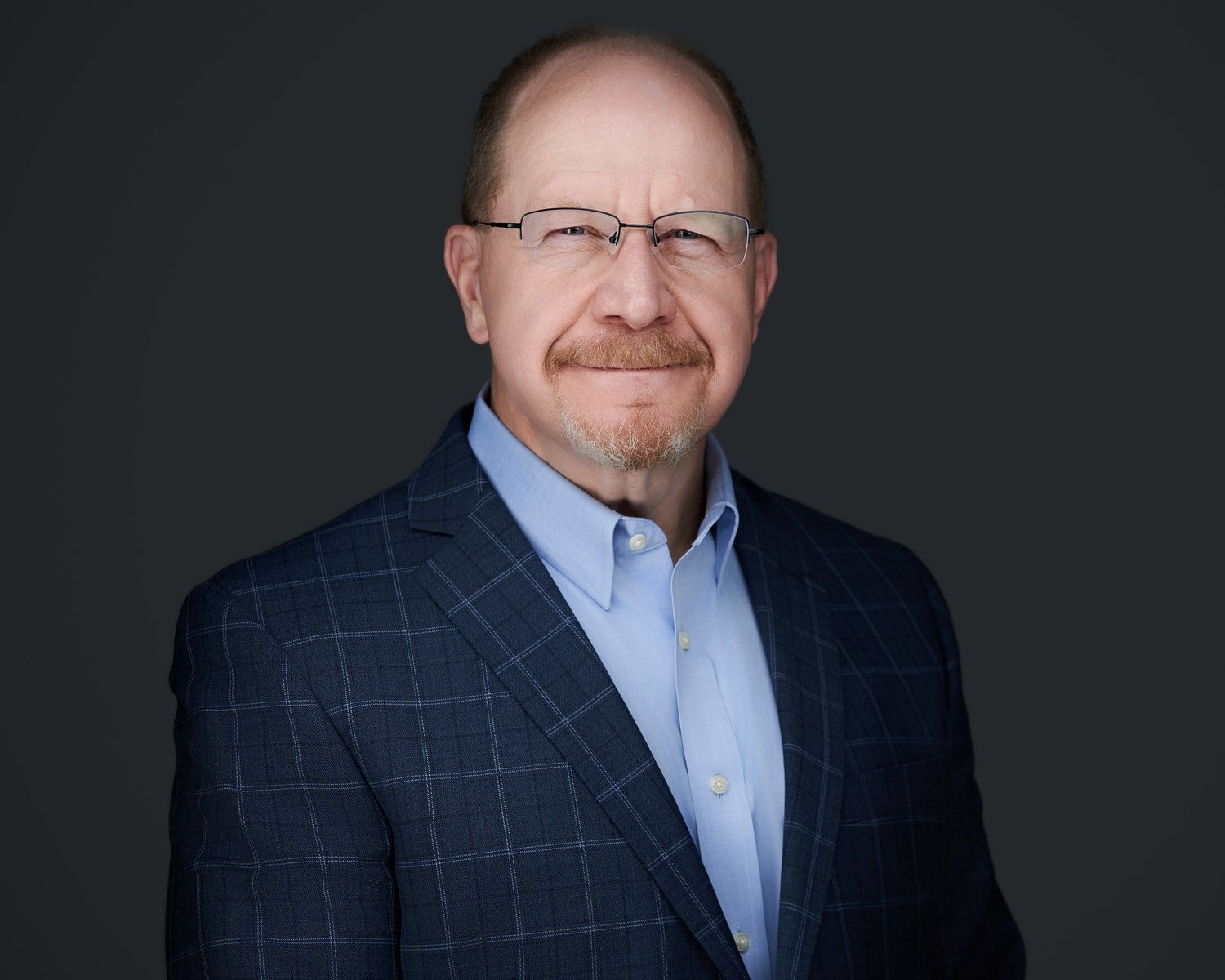
Kevin G. Carani

disclosure

THIS COMMENTARY HAS BEEN PREPARED BY CLEARWATER CAPITAL PARTNERS. THE OPINIONS VOICED IN THIS MATERIAL ARE FOR GENERAL INFORMATION ONLY AND ARE NOT INTENDED TO PROVIDE OR BE CONSTRUED AS PROVIDING LEGAL, ACCOUNTING, OR SPECIFIC INVESTMENT ADVICE OR RECOMMENDATIONS FOR ANY INDIVIDUAL. ALL ECONOMIC DATA IS DERIVED FROM PUBLIC SOURCES BELIEVED TO BE RELIABLE. TO DETERMINE WHICH INVESTMENTS MAY BE APPROPRIATE FOR YOU, PLEASE CONSULT WITH US PRIOR TO INVESTING. INVESTING INVOLVES RISK WHICH MAY INCLUDE LOSS OF PRINCIPAL.

This material is not intended to be relied upon as a forecast, research or investment advice, and is not a recommendation, offer or solicitation to buy or sell any securities, insurance products, or to adopt any investment strategy. The opinions expressed are as of the date of writing and may change as subsequent conditions vary. The information and opinions contained in this material are derived from proprietary and nonproprietary sources deemed by Clearwater Capital Partners to be reliable, are not necessarily all-inclusive and are not guaranteed as to accuracy. Past performance is no guarantee of future results. There is no guarantee that any forecasts made will come to pass. Reliance upon information in this material is at the sole discretion of the reader. Investment involves risks. International investing involves additional risks, including risks related to foreign currency, limited liquidity, less government regulation and the possibility of substantial volatility due to adverse political, economic or other developments. Index performance is shown for illustrative purposes only. You cannot invest directly in an index. S&P 500 is a registered trademark of Standard & Poor’s Financial Services, a division of S&P Global (“S&P”) DOW JONES, DJ, DJIA and DOW JONES INDUSTRIAL AVERAGE are registered trademarks of Dow Jones Trademark Holdings (“Dow Jones”). NASDAQ-100 Index®, NASDAQ-100®, NASDAQ Composite Index® are registered trademarks of The NASDAQ OMC Group, Inc. The two main risks related to fixed-income investing are interest rate risk and credit risk. Typically, when interest rates rise, there is a corresponding decline in the market value of bonds. Credit risk refers to the possibility that the issuer of the bond will not be able to make principal and interest payments.

"*" indicates required fields

Schedule Your First Meeting


Name*