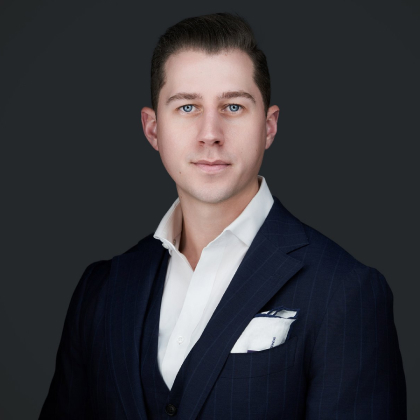




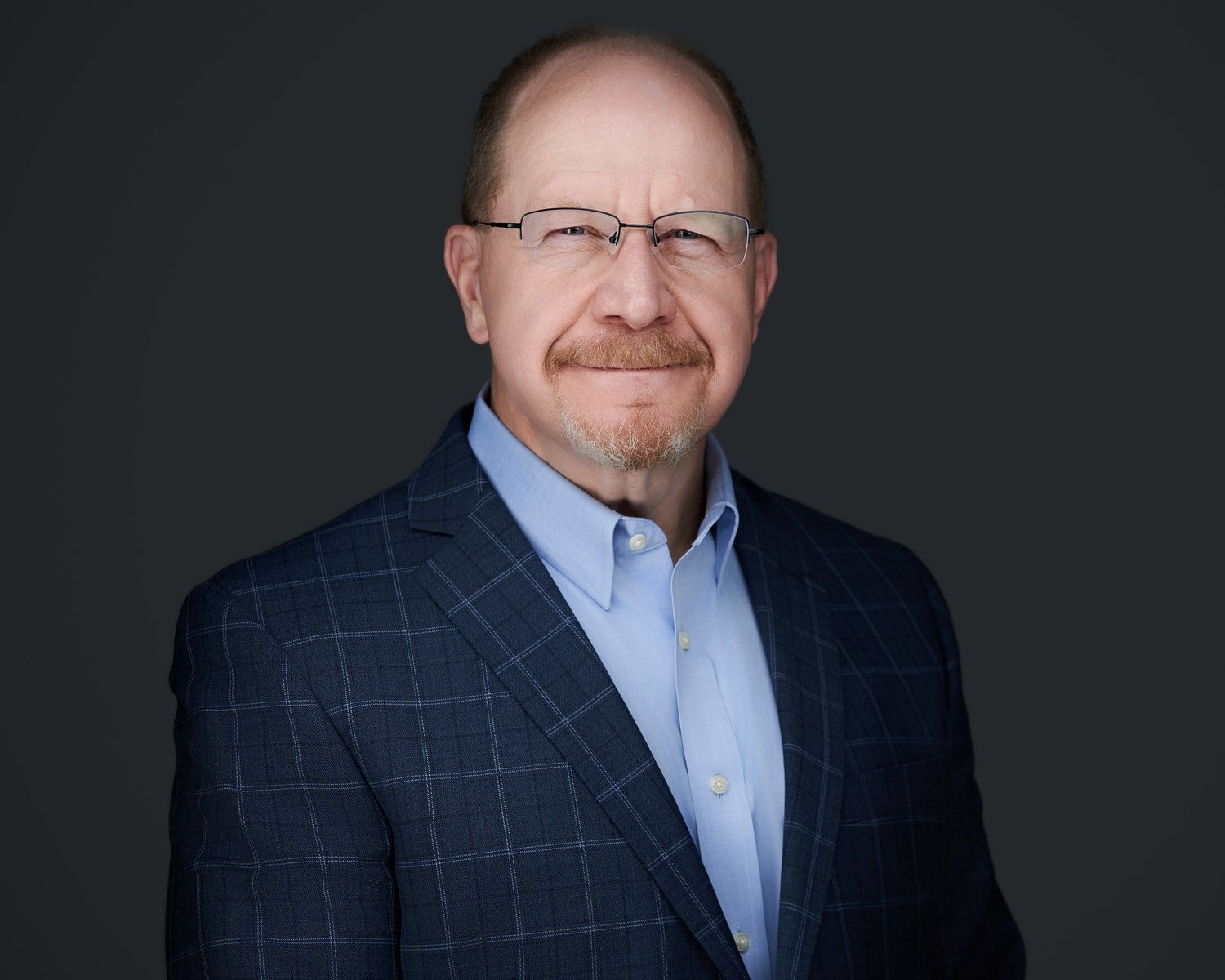
 John E. Chapman Chief Executive Officer
Last week, I had the chance to attend the 2026 Forbes Under 30 Summit in Scottsdale, Arizona. Full disclosure: I’m officially over 30. And while I’ve been recognized on Forbes’ Top Next-Gen Wealth Advisors list since 2021, the Under 30 Summit is a different animal entirely. It wasn’t on my radar until my friend Kyle Sulkar, founder of CPX Pickleball and a 2026 Forbes 30 Under 30 honoree, invited me to join him. When one of your closest friends makes the Forbes 30 Under 30 list, you clear your schedule. I’m glad I did.
(quick plug – we’re also hosting a pickleball tournament on May 9th – Information HERE)
For those unfamiliar, the Summit is a four-day event that brings together some of the most ambitious young entrepreneurs, founders, and operators in the country. I came in curious about what this crowd was actually thinking, building, and talking about. I came away with a lot. Here are the five things that stuck with me most.
1. AI Is Basically Everywhere, and That’s Not Hyperbole
I’ll admit I have a bit of AI fatigue – I’ve been to plenty of conferences recently where “AI” was the buzzword of the week, dropped into EVERY panel, whether it actually applied or not. This was different. At the Under 30 Summit, AI wasn’t a topic on the agenda. It was the baseline assumption underneath nearly every conversation I had. Founders weren’t debating whether to incorporate AI into their businesses. That ship has sailed. The questions were about how fast, how deep, and what the competitive implications are for those who move too slowly. Healthcare, logistics, consumer products, financial services, it didn’t matter the industry. Some version of AI was already in the mix. The first generation of truly AI-native founders was there, and their early results are hard to argue with. For those of us who advise business owners and entrepreneurs, the message is clear: this is no longer a “we’ll get to it” conversation.
2. The Robots Aren’t Taking Over
Before going to Scottsdale, I’ll admit I had a certain image in my head of what a room full of under-30 founders would feel like. Heads down. Phones out. Half-present at best. That’s not what I found. The conversations were real, the eye contact was there, and there was a genuine energy in the room that you can’t manufacture through a screen. That observation led to one of the better sessions I attended, a panel on AI in healthcare featuring founders from Valar Labs, Assort Health, and Nourish. All three are building AI-driven companies in one of the most complex, regulated, and human-dependent industries. What struck me was how they talked about the role of AI in their businesses. Stephanie Liu, cofounder and CTO of Nourish, a platform that connects patients with dietitians, put it plainly: the future of healthcare is not going to be AI only. There is still a space for human connection in achieving better outcomes. Her platform uses AI to track progress and surface insights, but the dietitian is still in the room. Across the panel, the consistent message was that AI is filling gaps in an already stretched industry, not replacing the humans doing the work.
That framing resonated with me, because it’s exactly how we think about technology at Clearwater Capital. We’ve been deliberate about integrating AI into our practice, not to replace the advisor relationship, but to strengthen it. The way we see it, if AI can handle the time-consuming analytical and administrative work, our advisors get more time to do what actually moves the needle for clients: talking to them. Understanding what’s really going on in their lives. Being present for the conversations that matter. The best wealth management has always been built on trust and human judgment, and no algorithm is going to change that. What good technology does is clear the path so those conversations can happen more often and with more depth. The founders in that healthcare panel understood this. The best builders at this summit, across every industry, understood this. AI as a tool, not a replacement, is the right framework.
3. Ambition Isn’t Dead, It Just Looks Different
You’ve heard the takes. Gen Z is lazy. Younger generations don’t want to work hard. They want work-life balance over results. While we have all experienced plenty of examples that would suggest that, the Under 30 Summit put that narrative to rest for me, at least in the context of the people in that room. The young leaders I spent time with in Scottsdale were building real companies, taking real risks, and thinking long-term. These weren’t lifestyle entrepreneurs looking for a quick exit. They were hungry in a way that was almost contagious. Ambition is alive and well – you just have to know where to find it.
4. “Old School” Isn’t Dead, It’s Just Been Reengineered
This might be my favorite thing I took away from the whole event. Among the software founders and tech operators were entrepreneurs running businesses that, on the surface, look like anything but a Forbes Under 30 story. Manufacturing. Distribution. Commerce. Skilled trades. Agriculture. Food and beverage. Not exactly the stuff of Silicon Valley lore. But spend a few minutes actually talking to these people and the picture changes fast. These aren’t your grandfather’s businesses. They’ve taken industries that the venture capital world largely ignores and layered modern technology, data infrastructure, and operational systems on top of them, and they are winning because of it. The lesson here is an important one: don’t confuse the industry with the innovation. Some of the most compelling entrepreneurial stories I heard in Scottsdale weren’t about building the next app. They were about quietly reinventing businesses that everyone else had written off.
5. The Next Generation of Wealth Looks Different, and That’s a Good Thing
I work with entrepreneurs and families every day on wealth, planning, and legacy. So when I’m sitting in a room full of people who, in many cases, are just starting to accumulate serious wealth, I can’t help but think about what that process will look like for them. What I observed was encouraging. This generation is approaching wealth with more intentionality than I expected. They’re asking better questions earlier. They’re thinking about the impact, structure, and integration that took prior generations decades to achieve. They’re not just building to build. They’re thinking about what the wealth is actually for. For anyone in the advice business, that shift in mindset represents both a challenge and an opportunity. The financial frameworks that worked for the last generation of wealth builders won’t automatically translate to this one. And the advisors who figure that out early will should be well-positioned for what’s coming.
The people building the next generation of American business are thoughtful, driven, and more self-aware than they are given credit for. They are using technology as a multiplier, not a crutch. They are finding opportunity in places others have overlooked. And they are thinking about success in terms that go well beyond the transaction. As someone who has spent his career working alongside entrepreneurs and wealth builders, I could not be more excited about what this generation is creating and the opportunity we have at Clearwater Capital to walk alongside them as they do it. The best is still ahead.
James F. Chapman is a Partner, Chief Innovation Officer, and Senior Wealth Advisor at Clearwater Capital Partners. He has been recognized by Forbes as a Top Next-Gen Wealth Advisor from 2021 through 2024 and works with entrepreneurs, high-net-worth individuals, and families navigating complex wealth and life transitions.
20260504 – 2