


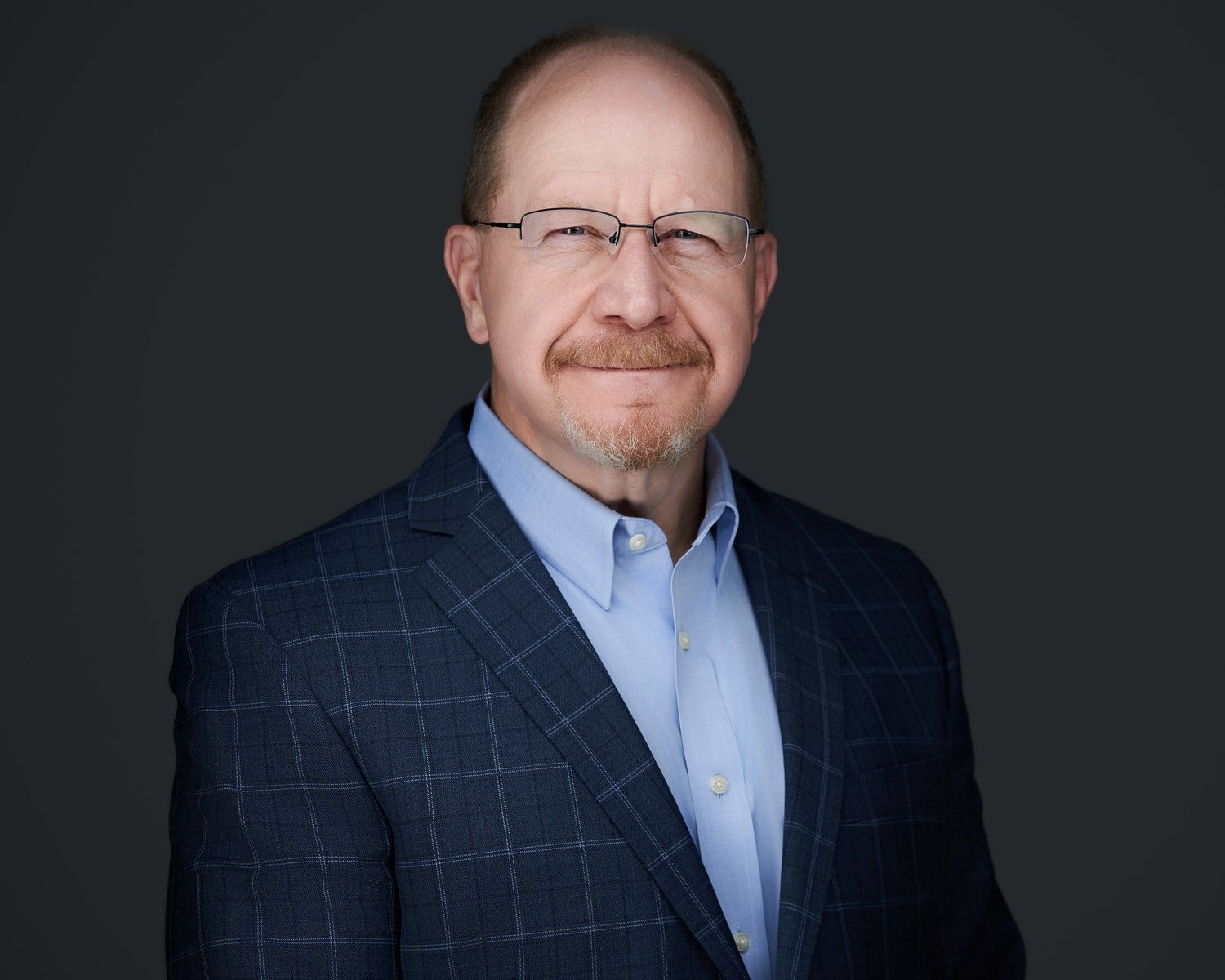
 John E. Chapman Chief Executive Officer
Something has shifted in how clients think about their money. It is not universal, and it is not always easy to articulate, but I see it consistently in practice: more clients are asking what their wealth is actually for, not just how to preserve it. They are thinking about what it should accomplish while they are alive and after they are gone.
Philanthropy, impact investing, and legacy planning have moved from peripheral conversations to central ones. For some clients, this reflects generational values. For others, it is a response to the simple fact that it has never been easier to direct capital toward meaningful outcomes. Whatever the cause, the result is that advisors who can have this conversation well are in a fundamentally stronger position with their clients than those who cannot.
The mission before the mechanics
The first question I ask when a client raises the topic of philanthropy is not which organizations they are interested in. It is why. What is the underlying motivation? What has shaped their thinking about this? What do they want the world to look like because of what they do with their resources?
For some clients, that conversation leads to something close to a personal or family mission statement, a defined set of values that becomes a filter for every subsequent giving decision. That framework is more useful than it might sound. High-net-worth clients face a constant stream of solicitations. Once you have donated to one cause, every organization in the space hears about it. Without a defined mission, the decision-making becomes reactive: you give to whoever asked most recently, whoever made the most compelling pitch, whoever your friend is on the board for.
With a mission in place, the answer becomes simpler. A given organization either aligns with what you are trying to accomplish, or it does not. That is not a rejection of other worthy causes. It is a commitment to your own.
More than writing a check
One of the things I find most valuable about this conversation is that it reframes what giving can look like. For many clients, philanthropy means a check. And that is a completely legitimate form of impact. But there is a spectrum of engagement that goes much further.
At one end is impact investing: structuring a portfolio to exclude companies or industries that conflict with a client’s values. This is the most accessible entry point as it does not require additional capital, just intentional allocation. For clients who want to go further, there is direct charitable giving, structured through vehicles like donor-advised funds that offer both flexibility and tax efficiency. And for those who want to go further still, there is what I would call community investment: identifying gaps that neither government nor the private sector is filling effectively and using family resources to directly address them. Building something. Creating something that serves a place or a population in a lasting way.
The question I ask clients is: how far in do you want to go? Some want the screening. Some want to write checks. Some want to build a community garden or fund a scholarship endowment. Each is valid. My job is to help them understand the options, assess what they are prepared to take on, and structure the plan around whatever level of engagement makes sense for them.
Engaging the next generation
One of the most underutilized aspects of philanthropic planning is its value as an entry point for the next generation. It is genuinely difficult to bring young adults into conversations about family wealth without either overwhelming them or making them feel like passive observers to decisions that will affect them. Charitable planning solves that problem elegantly.
The conversation becomes: we have a pool of resources designated for giving. Help us develop a mission. Help us identify causes that matter to you. Help us research the organizations doing the most effective work in those areas. That is not a passive role. It requires real evaluation and understanding of what outcomes an organization is generating, how it is governed, and whether its approach is actually moving the needle. Those skills transfer directly to other financial and professional contexts.
More importantly, it builds values. It connects younger family members to a sense of purpose and stewardship without requiring them to understand the full balance sheet. And it does it in a way that can actually be engaging because the question at the center of it is: what do you want the world to look like? That is a question most people, at any age, find worth answering.
What I have found in practice is that clients who do this well, who bring the next generation into philanthropic conversations early, who build a defined family mission, and who track the impact of what they give tend to be more satisfied with their overall relationship to wealth. They are not just managing assets. They are working toward something.
That shift in orientation matters. It changes the nature of the advisor relationship, too. When the conversation is about impact and values and legacy, not just returns and allocations, we are doing something more interesting and more lasting than portfolio management. We are helping clients build something that will outlive them. That is meaningful work, and I believe it is increasingly where the profession is headed.
20260803-1