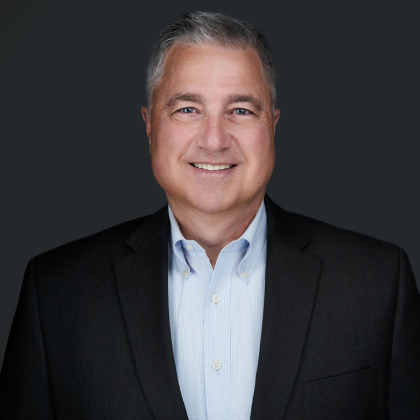



 John E. Chapman Chief Executive Officer
As HR leaders chart the path forward in 2025, one thing is clear: workforce strategy has become a business strategy. Navigating today’s complex landscape—where retention is fragile, well-being is essential, and the workplace continues to evolve—requires a proactive, people-first approach. Here is what is rising to the top of the agenda and how forward-thinking leaders respond, including how retirement plans play a more strategic role than ever before.
Talent Acquisition & Retention
The competition for talent remains intense—and it’s no longer just about compensation. Employees seek meaningful work, career development, and benefits that support their immediate needs and long-term security. In fact, 72% of HR leaders say retention is their top concern for 2025 (Gartner, 2025 HR Priorities Survey). Today’s workforce expects personalization, from flexible schedules to financial planning tools.
- Employer Response: Companies are revisiting their 401(k) and supplemental retirement offerings to stay competitive. Enhanced employer matches, immediate vesting, and financial wellness tools linked to retirement planning are helping organizations retain high performers—especially in industries with high turnover.
Hybrid Work Is Still Evolving
While hybrid work has become a standard offering, many organizations are still refining how to make it effective. Only 28% of companies say they have successfully embedded it into their long-term model (McKinsey, 2025). Leaders are now focused on refining their approach—revisiting communication norms, performance management, and manager training to ensure productivity does not suffer in a flexible work environment.
- Employer Response: Retirement plan engagement has become more difficult in hybrid environments. Employers are incorporating virtual financial wellness workshops and on-demand retirement education to keep benefits top-of-mind and accessible for all employees, regardless of location.
Employee Well-being: The Business Imperative
With 83% of CHROs reporting higher burnout across their organizations (Deloitte, 2025), mental health and emotional resilience are no longer “soft topics”—they are critical to productivity and culture. HR teams are being called to lead with empathy while building support systems that address mental, emotional, and financial stress.
- Employer Response: Financial stress remains a leading driver of employee anxiety. Robust retirement plans, health savings accounts (HSAs), and student loan repayment assistance can reduce stress and contribute to overall well-being. When these tools are communicated effectively, they reinforce the employer’s role in supporting long-term financial health.
Skills Gaps & Future Readiness
AI, automation, and evolving job functions are reshaping the skills landscape. The World Economic Forum’s 2025 report found that 58% of employers view talent shortages and skills gaps as a top business risk. As roles evolve faster than job descriptions, HR leaders invest in reskilling, internal mobility, and cross-functional collaboration to stay ahead.
- Employer Response: Organizations are beginning to use retirement plan engagement data as part of workforce planning—identifying populations nearing retirement, supporting phased transitions, and creating knowledge-transfer programs. This supports succession planning and shows employees a pathway to a secure retirement.
DEI: Refocusing on Impact Over Optics
While DEI initiatives remain a priority, only 35% of employees believe their organization’s DEI efforts are authentic (PwC, 2025). The shift is now toward measurable inclusion—embedding equity in advancement, pay, and resource access. HR leaders are focusing on systemic change, not surface-level efforts.
- Employer Response: Equity in retirement outcomes is gaining attention. Forward-thinking employers are auditing plan participation rates by demographic segments and using auto-enrollment, default escalation, and targeted education to close participation and savings gaps—especially for underrepresented and lower-income employee groups.
Looking Ahead
In today’s environment, retirement plans aren’t just financial benefits—they are talent tools, DEI levers, and a key part of your well-being strategy. Aligning your retirement offerings with your overall workforce goals can provide a competitive edge in attracting and retaining top talent. Regular plan design reviews, robust participant education, and ongoing monitoring can help your plan serve all employees equitably and better position your organization for long-term success.
At Clearwater Capital Partners, we’re proud to work alongside you as you navigate these evolving workforce challenges. Through ongoing plan design enhancements, fiduciary guidance, and comprehensive financial wellness resources, we aim to help you leverage your retirement plan as a catalyst for employee engagement and organizational growth today and into the future.
Sources:
- Gartner, 2025 HR Priorities Survey – www.gartner.com
- McKinsey, The State of Organizations 2025 – www.mckinsey.com
- Deloitte, 2025 Global Human Capital Trends – www.deloitte.com
- World Economic Forum, Future of Jobs Report 2025 – www.weforum.org
- PwC, Global Workforce Hopes and Fears Survey 2025 – www.pwc.com
20250515-2