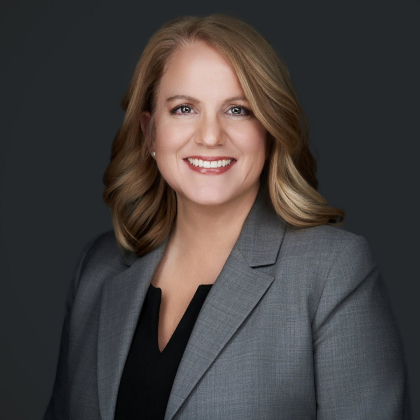




 John E. Chapman Chief Executive Officer
Before you had an investment portfolio or a need for a wealth advisor, there was your mom.
She may not have called it “financial planning,” and she likely never used terms like “risk tolerance” or “asset allocation.” And yet, in my 25+ years of experience having conversations about how people think about money, it almost always traces back to Mom.
In my own life, that is certainly true.
Growing up, my mom was the one who taught me the fundamentals, like how to budget, how to shop what’s on sale, and how to make thoughtful decisions with my money. One of my favorite birthday traditions was spending the day with her, carefully deciding how to break the fresh $100 bill tucked inside my birthday card.
Throughout my school years, we moved around the country quite a bit for my dad’s career, but my mom always found work outside the home. It wasn’t out of necessity, but to create flexibility, and she didn’t call it “financial independence,” but she would often repeat what her own mother told her: “Always have a little money of your own tucked away.”
It’s a simple idea, but a powerful one. Because it’s not just about money. It’s about confidence.
Maybe your experience looked different. But if you think back, there’s a good chance your mom shaped more of your financial mindset than you realize.
The Influence You Don’t Always See
There’s a long-standing assumption that men are the primary financial decision-makers. But over the years, I’ve worked with many families where the reality is far more nuanced.
Decisions were shared, and in many cases, quietly led by women.
Today, nearly 70% of women identify as the primary or co–financial decision-maker in their household, according to research from the CFP Board. It’s a reflection of a role many women say they’ve been playing all along, whether it was formally recognized or not.
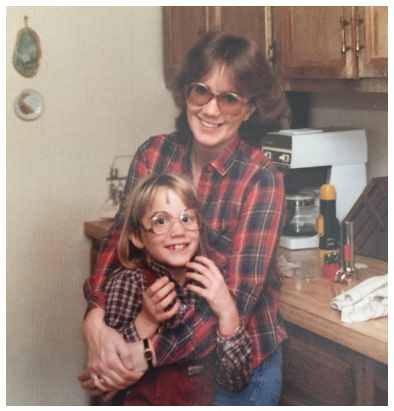
(Melissa and Mom, circa 1980)
The Shift You’re Living Through Now
As you move into this stage of life, you may begin to notice a shift.
The woman who helped shape your understanding of money…
may now be in a position where she needs your guidance.
Sometimes that transition is gradual, like helping organize accounts, simplifying decisions, or serving as a second set of eyes.
Other times, it happens all at once.
Here’s what the data shows:
- Women tend to live longer than men – by about five years on average in the U.S. – according to the Centers for Disease Control and Prevention.
- Research from McKinsey & Company indicates that nearly 70% of widows change financial advisors within a year of their spouse’s passing.
I don’t see that as impulsive; I see it as a signal.
The relationship, the communication, and the approach to money often no longer fit her needs as she moves into her next chapter.
When She Becomes the Decision-Maker
One thing I’ve learned is that when women step into sole financial control, especially later in life, their approach to money often shifts in meaningful ways.
In my experience, many women begin to:
- Prioritize security and income stability over aggressive growth
- Focus more on preserving what’s been built than expanding it
- Value trust, relationship, and clarity in their financial decisions
And there’s another shift I see as well, one that becomes more pronounced with age.
The conversation expands beyond just her.
It becomes about:
- Supporting children in thoughtful and intentional ways
- Creating opportunities and experiences for her grandchildren
- Giving to causes that reflect what matters most to her at this stage.
The discussions about investment accounts often shift from how well the portfolio is performing to the impact it’s making and how it will carry forward her values.
This isn’t about being conservative; it’s about context.
What Taking Care of Her Really Means
When clients talk to me about “take care of mom,” I encourage them to think beyond the logistics.
Yes, it’s important to organize accounts, update beneficiaries, and ensure documents are in place. It’s also important to plan for things like future care, lifestyle expenses, and even the joy of giving.
But what matters just as much is how you show up in conversations with her.
- Slow things down so she feels confident and not rushed
- Translate complex concepts into clarity
- Respect her independence, while still offering support
- Make sure she is not just included, but truly comfortable making the decisions
The goal isn’t to take over. It’s to stand beside her.
Honoring Her Influence While Leading Forward
The woman who helped shape your work ethic and sense of responsibility with money may now be relying on you to help her navigate a financial world that feels more complex than ever.
There’s an opportunity in that to honor what she taught you.
Help ensure her money continues to support Mom’s life in ways that reflect her values, priorities, and sense of security.
Because legacy isn’t just what you leave behind, it’s how you show up when the roles begin to change.
A Final Thought This Mother’s Day
This time of year, I often see clients pause and reflect more intentionally.
Not just on what their mom gave them, but on what she showed them.
Because all these years later, her mindset around money often stays with you as it has for me.
So it’s worth asking:
- Does she feel confident in the financial decisions being made today?
- Does she understand how her money supports her life?
- Does she have a voice in the process, or is she deferring out of habit?
The way you answer those questions is your leadership now.
If this season has you thinking differently about your role—whether you’re stepping in more, or simply want to check that everything is aligned, the team at Clearwater Capital Partners is here as a resource for you and your family.
Cheers to all the moms,
Melissa
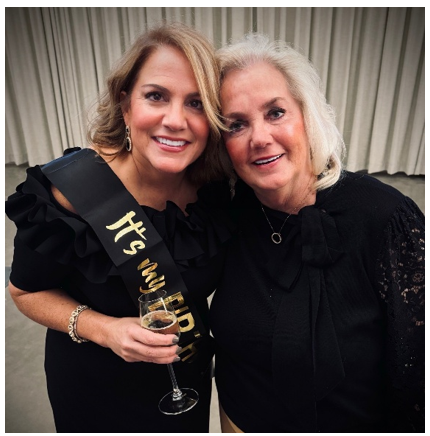
“I am known for helping to empower women to live their legacy now by aligning their wealth, values, and leadership. Together, we turn intention into action so they can make bold financial decisions that create lives of confidence, peace of mind, purpose, and lasting impact.”
20260504 – 6